
- News
- Basics
- Products
- JP Job shop
- Exhibition
- Interview
- Statistic
- PR
- Download
- Special contents



 Japanese Cutting-Edge
Solutions for Metalworking



Japanese Cutting-Edge
Solutions for Metalworking
Exhibition
December 23, 2025


Edited by: Yuya Sone
Staff Editor of SEISANZAI Japan; Editorial Desk of robot digest
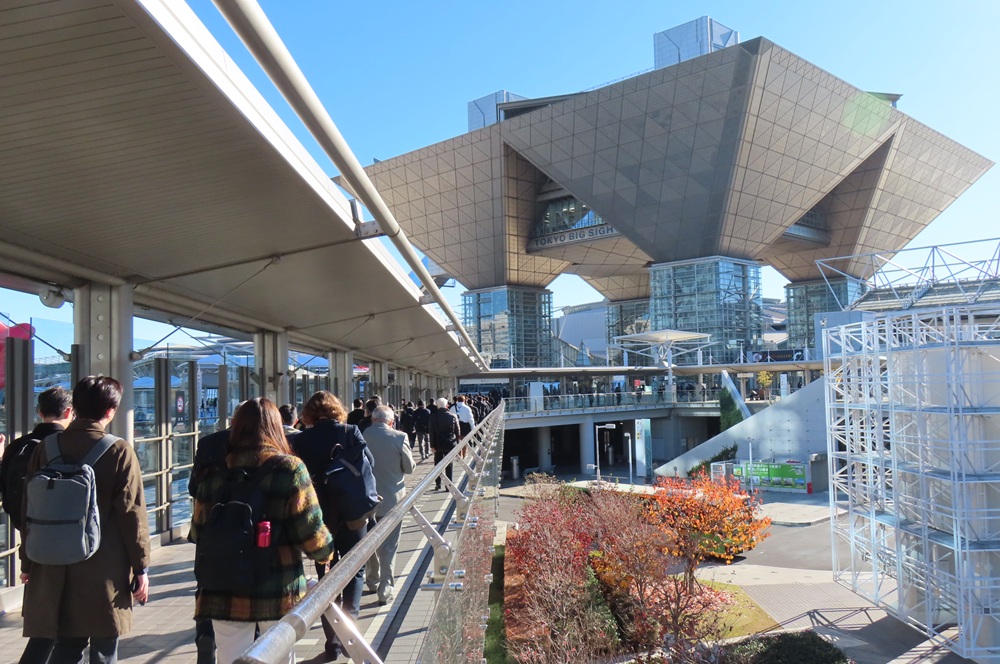
The 2025 International Robot Exhibition (iREX2025) was held at Tokyo Big Sight from December 3 to 6. A record 673 companies and organizations exhibited at the show, and total attendance reached 156,110, approximately 8,000 more than the previous exhibition. The event garnered significant interest in “physical AI,” a type of artificial intelligence technology, as well as humanoid robots.
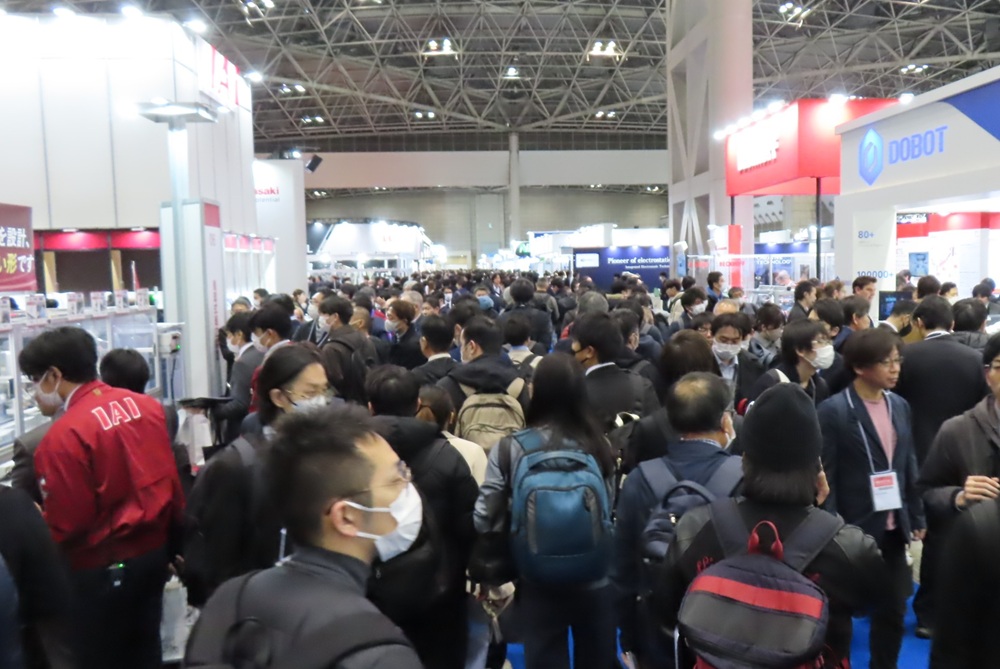
Visitor numbers exceeded 156,000, with aisles crowded at peak times
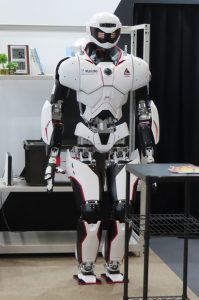
Kawasaki Heavy Industries’ humanoid robot Kaleido 9 drew large crowds
One of the most notable themes at iREX2025 was physical AI. This form of AI can recognize the real world and perform tasks while making decisions according to the situation. It represents a combination of AI simulation technology with robotics and sensing capabilities.
Fanuc and Yaskawa Electric, both operating some of the largest booths at the show, highlighted AI technologies including physical AI. Many visitors gathered to see robots performing tasks autonomously in response to changing conditions. Both companies are collaborating with U.S.-based graphics chip manufacturer NVIDIA. Fanuc demonstrated robots that automatically changed their motion paths to avoid people who entered the working area. Yaskawa Electric showcased AI-based packing operations, demonstrating “smart packing” that places larger items at the bottom of boxes and fragile items on top.
Humanoid robots also drew significant attention. Kawasaki Heavy Industries‘ humanoid robot Kaleido 9 attracted large crowds with demonstrations such as garden cleaning. Humanoids developed by overseas startups were displayed throughout the venue. Among them, humanoid robots by Germany-based Neura Robotics, exhibited by Nichiei kikou (Toyota, Aichi; President Shinji Ban), and by China-based Unitree, exhibited by TechShare (Tokyo; President Takaaki Shigemitsu), received strong interest. Many humanoid-type robots with autonomous mobile robot (AMR) bases instead of two legs were also displayed, and Yamazen proposed this type of robot for logistics applications.
Proposals for collaborative robots that can operate without safety fences remained active, as in the previous exhibition. Many new collaborative robot models focused on differentiation through unique functions.
Yamaha Motor exhibited the “Yamaha Motor Cobot,” which features seven-axis control. Compared with typical six-axis robots, it enables more complex motion and can operate in confined spaces while avoiding interference with surrounding equipment. At the venue, Yamaha proposed automation systems for kitting operations in small spaces, utilizing these features. The robot also supports compliance control, allowing it to absorb external forces softly like a spring.
Nachi-Fujikoshi promoted its newly developed collaborative robot MZS series across the entire booth. “We wanted to show how the robot can be used on actual manufacturing sites through various demonstration systems, rather than presenting the product alone,” said a company representative from the Robot Division. One demonstration showed robots assembling other robots in a high-density layout, highlighting smooth operation without mutual interference.
Shibaura Machine built a system using its dual-arm collaborative robot RIDRS series to automate processes from cardboard box assembly to packing. The company also proposed food industry systems using SCARA robots. One such system stacks lunch boxes into plastic containers and transports them. “We received comments that stacking and unstacking technologies could also be applied in manufacturing,” a company representative noted. Shibaura Machine also handled the system integration.
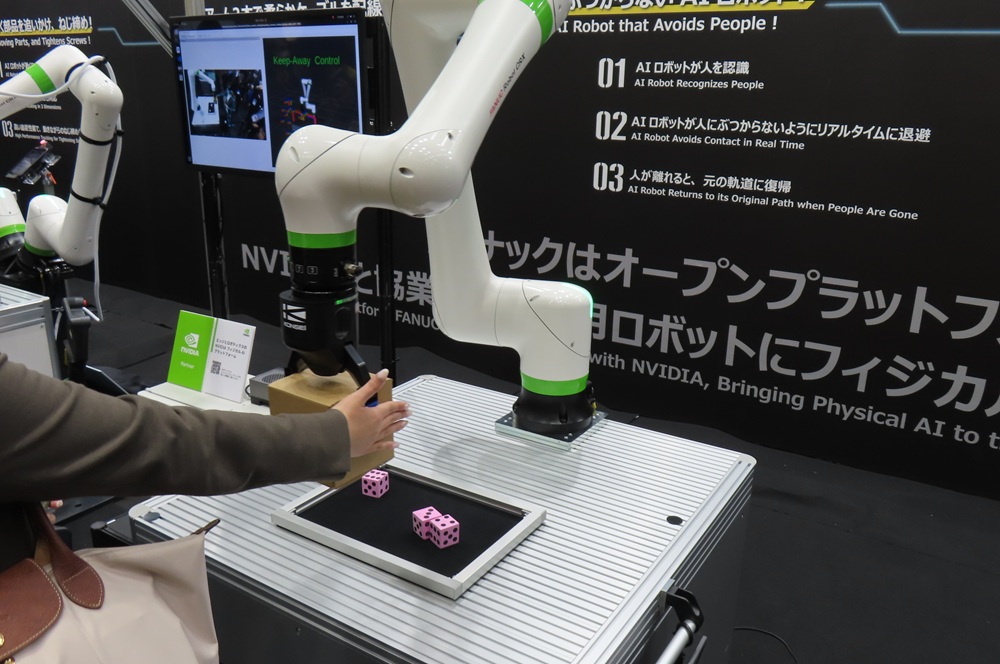
Fanuc demonstrated AI-enabled robots that autonomously avoid people
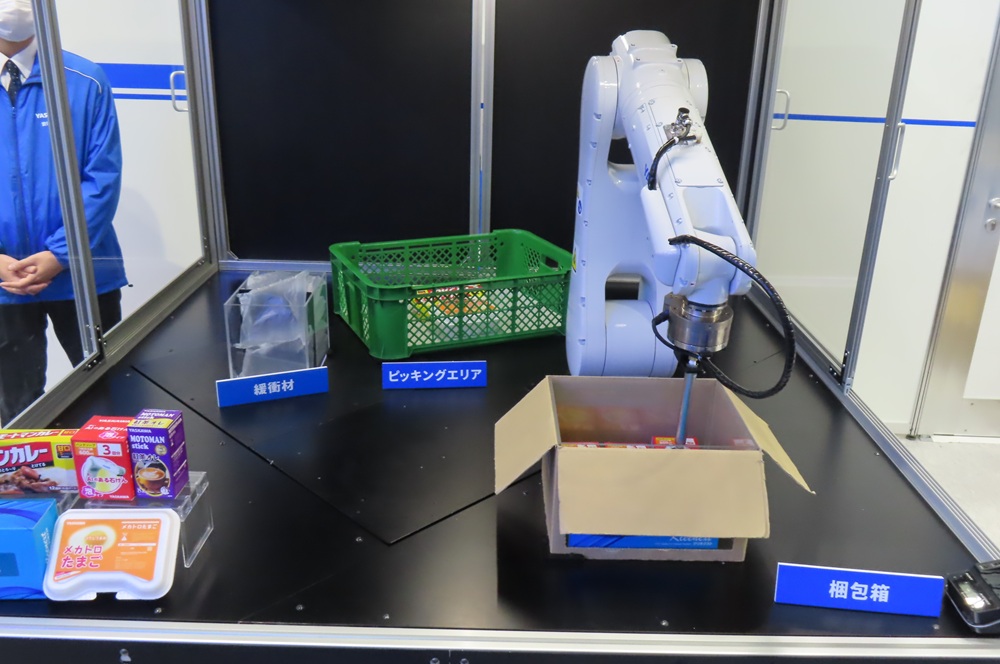
Yaskawa Electric’s “smart packing” system demonstration
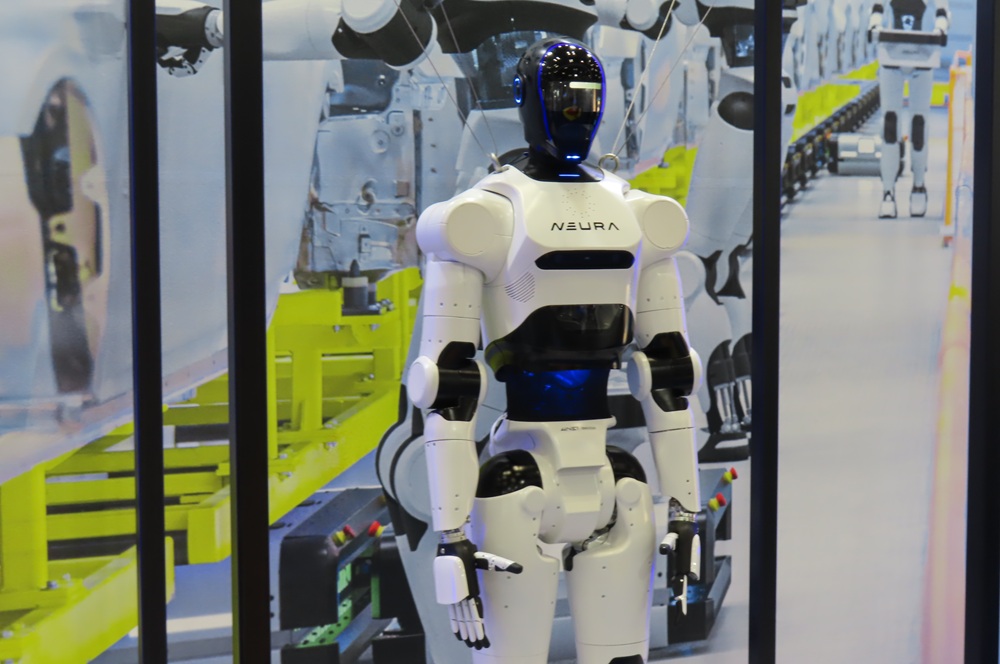
A humanoid robot by Neura Robotics exhibited by Nichiei kikou
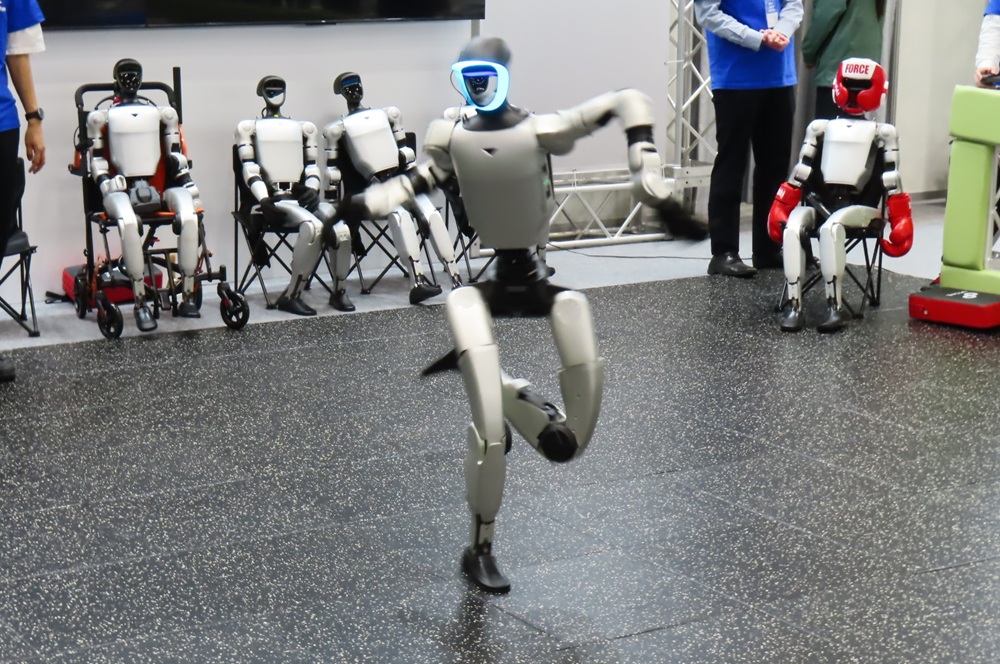
A humanoid robot dancing at the TechShare booth
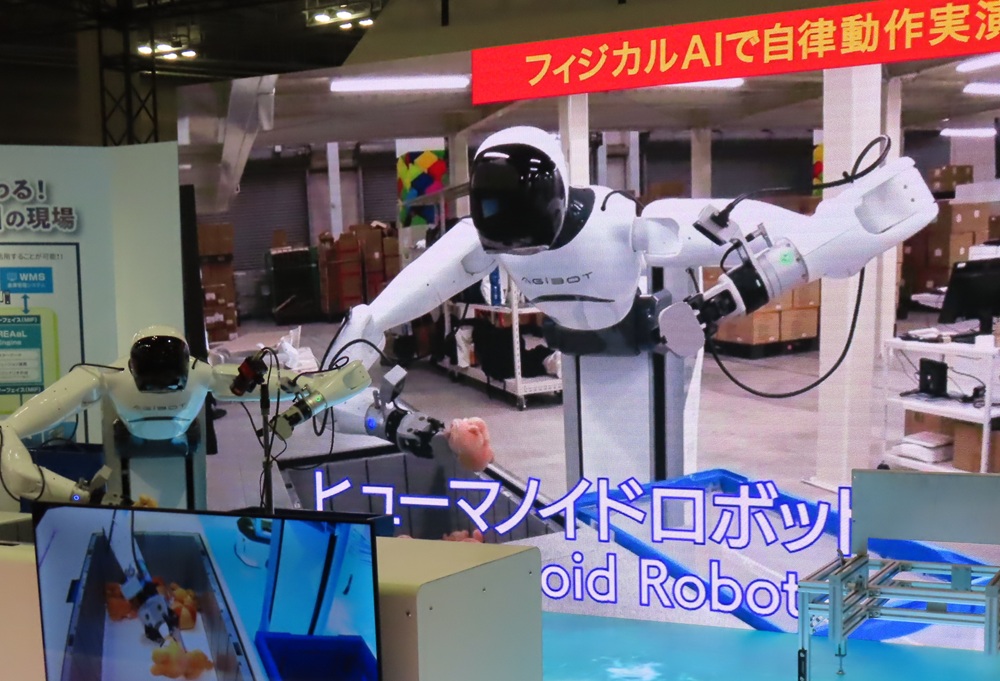
Yamazen proposed a logistics robot with a humanoid upper body
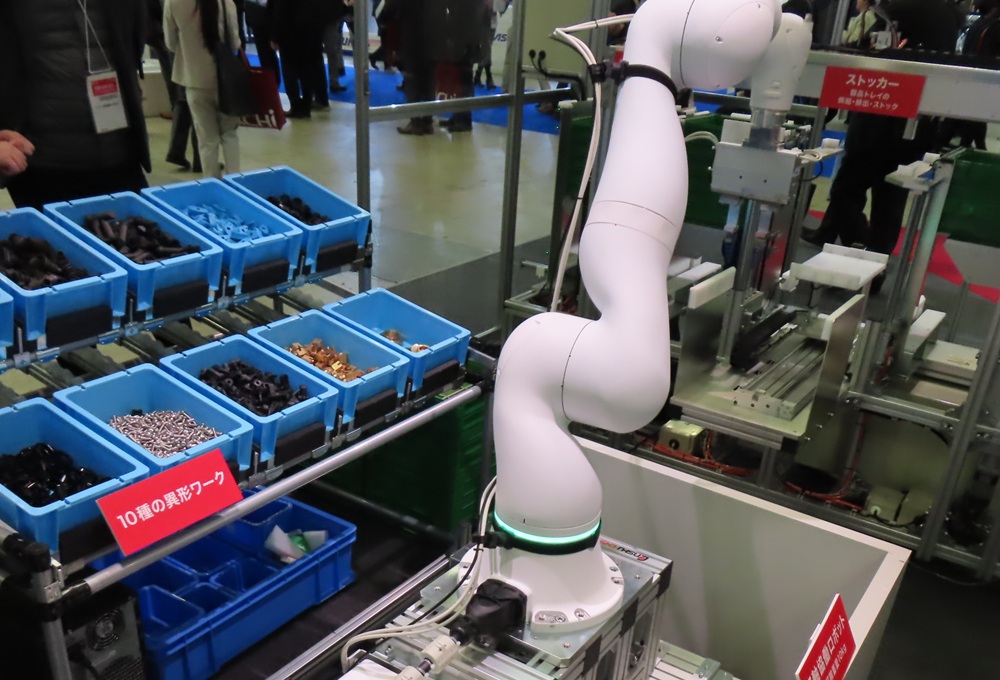
Yamaha Motor’s newly developed collaborative robot on display
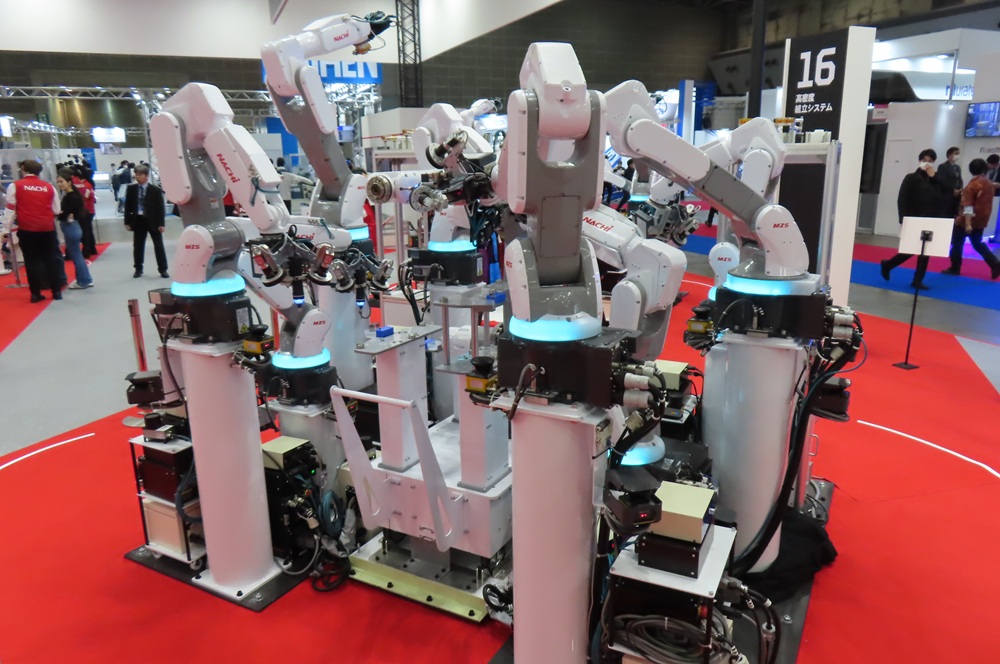
Nachi-Fujikoshi showcased various applications of the MZS series
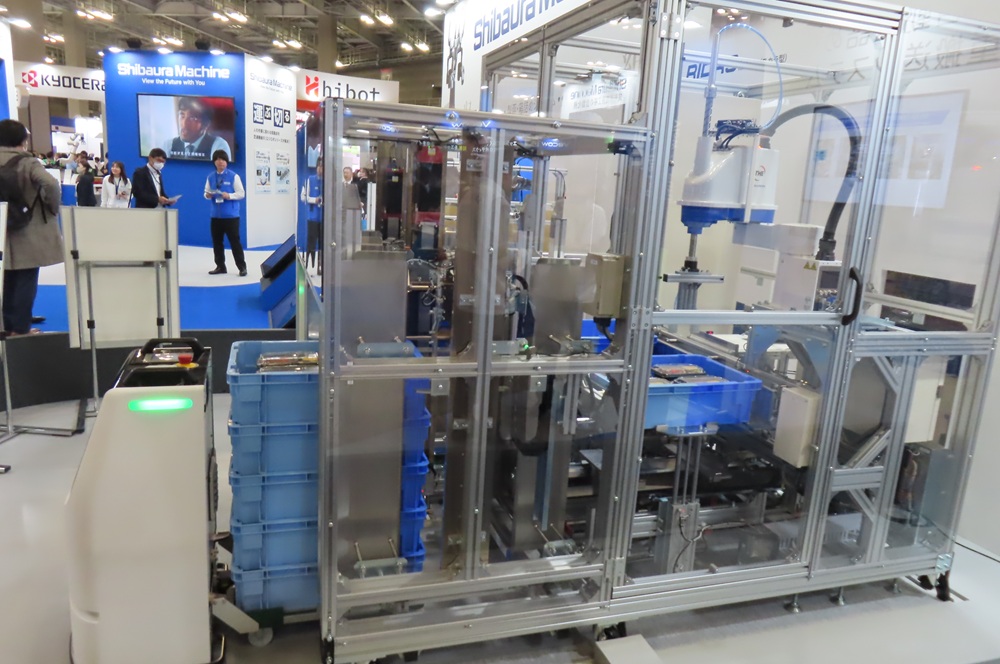
Shibaura Machine’s robot system for the food industry
October 24, 2025
December 25, 2025
Share On :


