
- News
- Basics
- Products
- JP Job shop
- Exhibition
- Interview
- Statistic
- PR
- Download
- Special contents


 Japanese Cutting-Edge
Solutions for Metalworking


Japanese Cutting-Edge
Solutions for Metalworking
Exhibition
November 26, 2026


By Dr. Shu Yasumi, Editor-in-Chief, SEISANZAI Japan; Masanobu Nishizuka, Staff Editor, SEISANZAI Japan
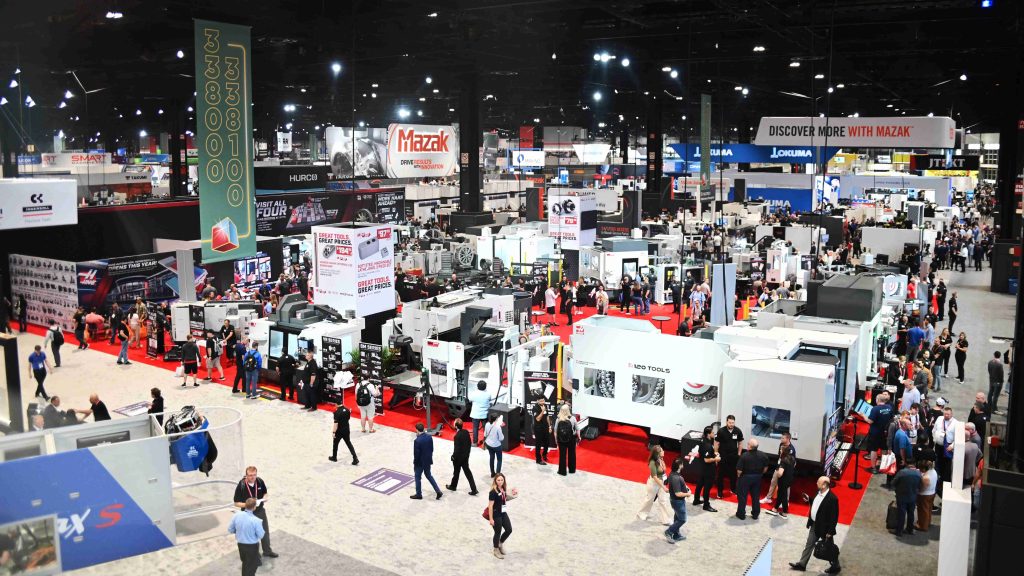
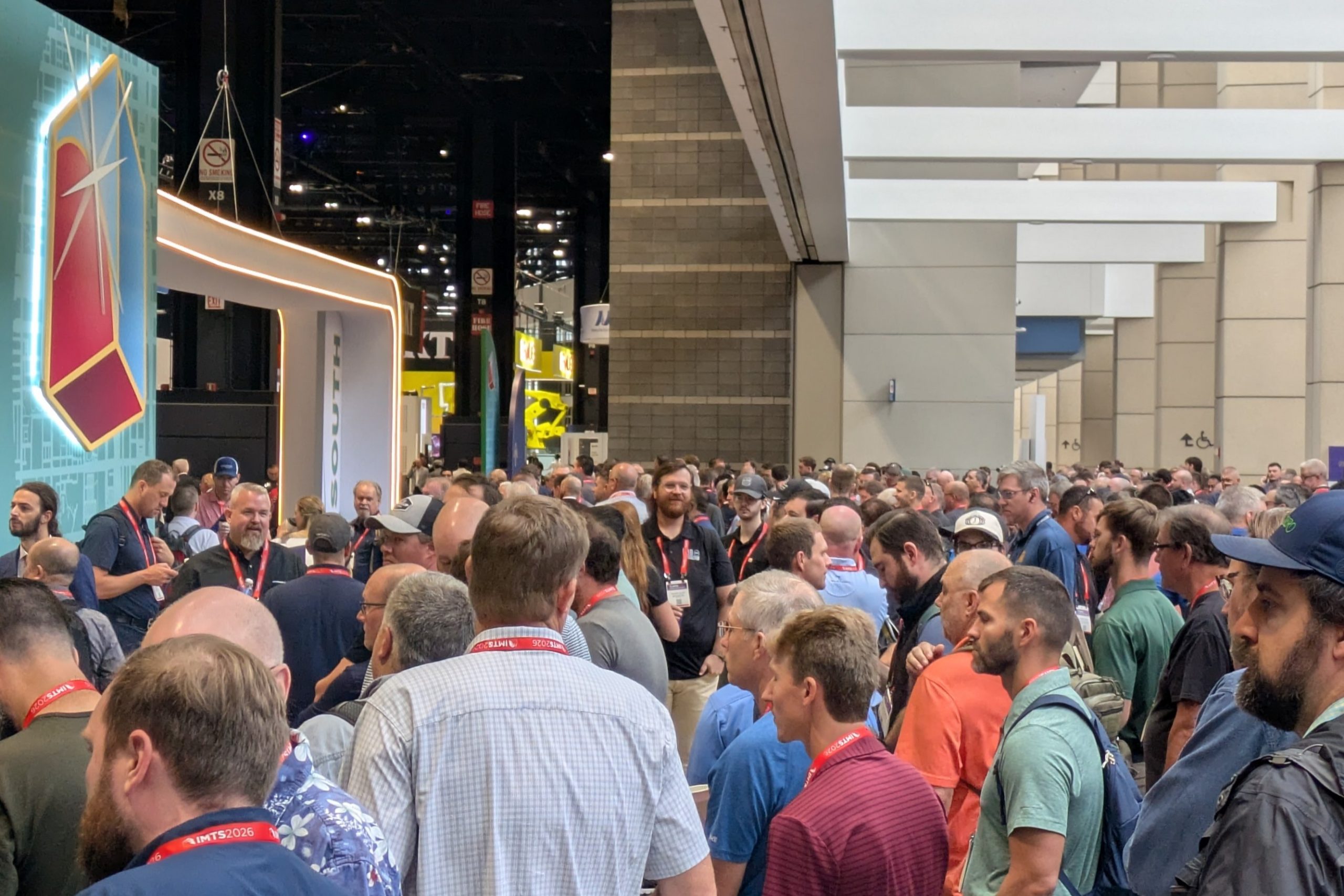
Against the backdrop of a booming North American market, the International Manufacturing Technology Show (IMTS) ran for six days from September 14 to 19 at McCormick Place in Chicago, Illinois. The show drew 1,788 exhibitors and organizations and 91,295 visitors from 124 countries and regions. In the United States, it is often said that “manufacturing reshoring is gaining momentum.” However, after seeing the energy at this year’s show, many exhibitors seemed to view the current trend as something more complex than a straightforward “return” of manufacturing to the country.
“A historic opportunity.” This is how Douglas Woods, President of the Association for Manufacturing Technology (AMT), which organizes IMTS, described this year’s show.
One of the biggest topics was the scale of announced capital investment plans, which were exceptionally large. According to AMT’s compilation, announced public- and private-sector investment plans in the United States, including medium- to long-term projects, total USD 11 trillion. While the level of certainty behind these plans varies, they point to rapid progress in new factory construction and infrastructure development.
Regarding the AI boom, which has continued since the rise of generative AI in particular, many at the show said that “related capital investment will remain strong for the next two years.”
Factory utilization rates are also high. According to the US Census Bureau’s quarterly survey of plant capacity utilization, the rate for the manufacturing sector as a whole was 75.5% in the first quarter of 2026 (January–March) and 78.5% in the second quarter (April–June). The practical upper limit is around 80%, with the remaining 20% considered nominal spare capacity. Utilization rates are now approaching that limit.
The biggest challenge is labor shortages. AMT estimates that the current shortage exceeds 400,000 workers. At the show, exhibitors proposed labor-saving automation and process consolidation. Physical AI — AI technology that perceives the physical world and controls equipment — was also a hot topic, and visitors expressed high expectations for advanced automation. Practical applications of AI were also on display, particularly in CAD/CAM software, where it is used to optimize part shapes and cutting conditions.
Although high interest rates in the United States tend to restrain capital investment, the market remains strong. According to AMT, cumulative machine tool orders through August 2026 reached USD 4.76 billion, up 36.9% YoY.
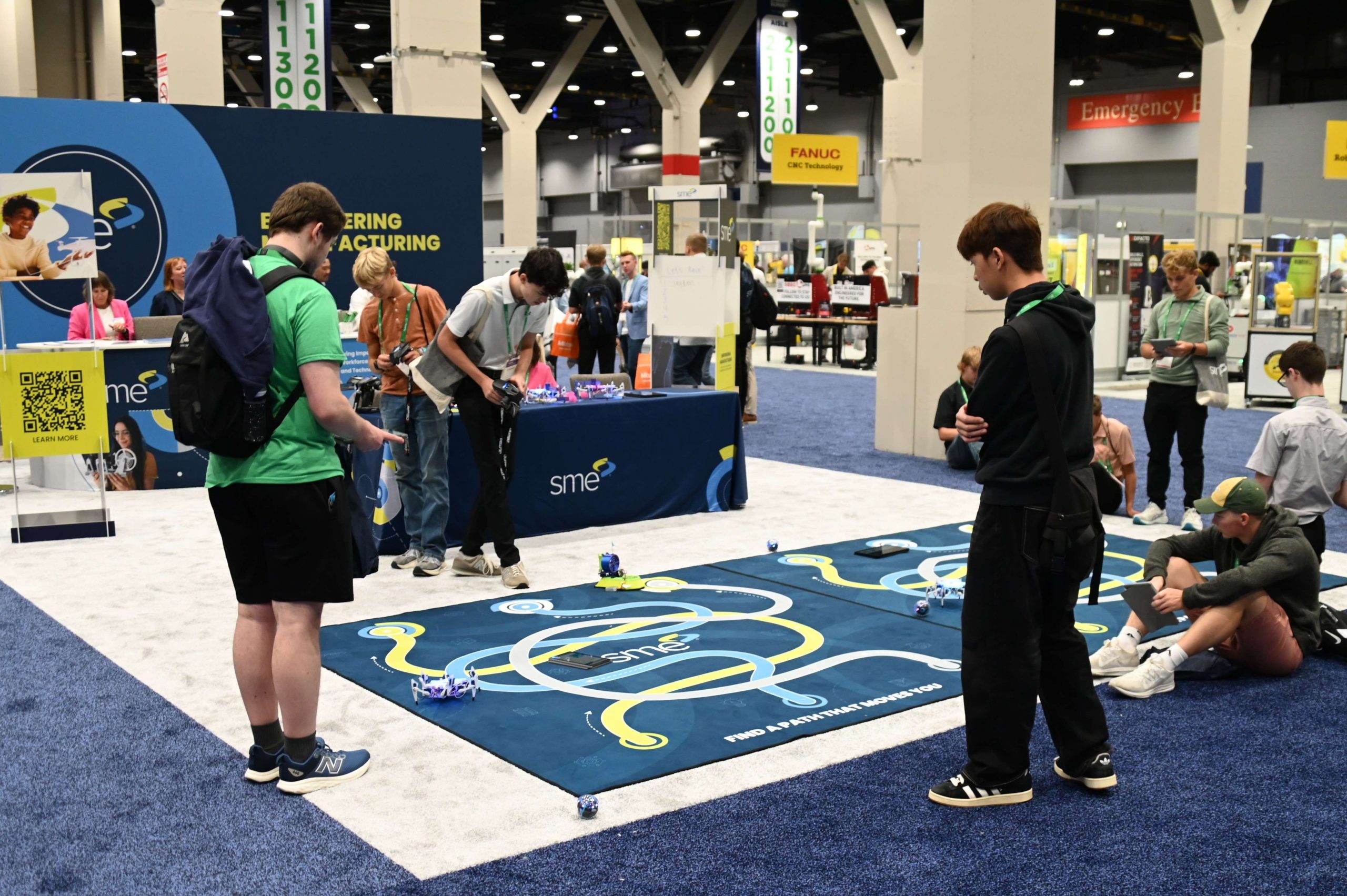
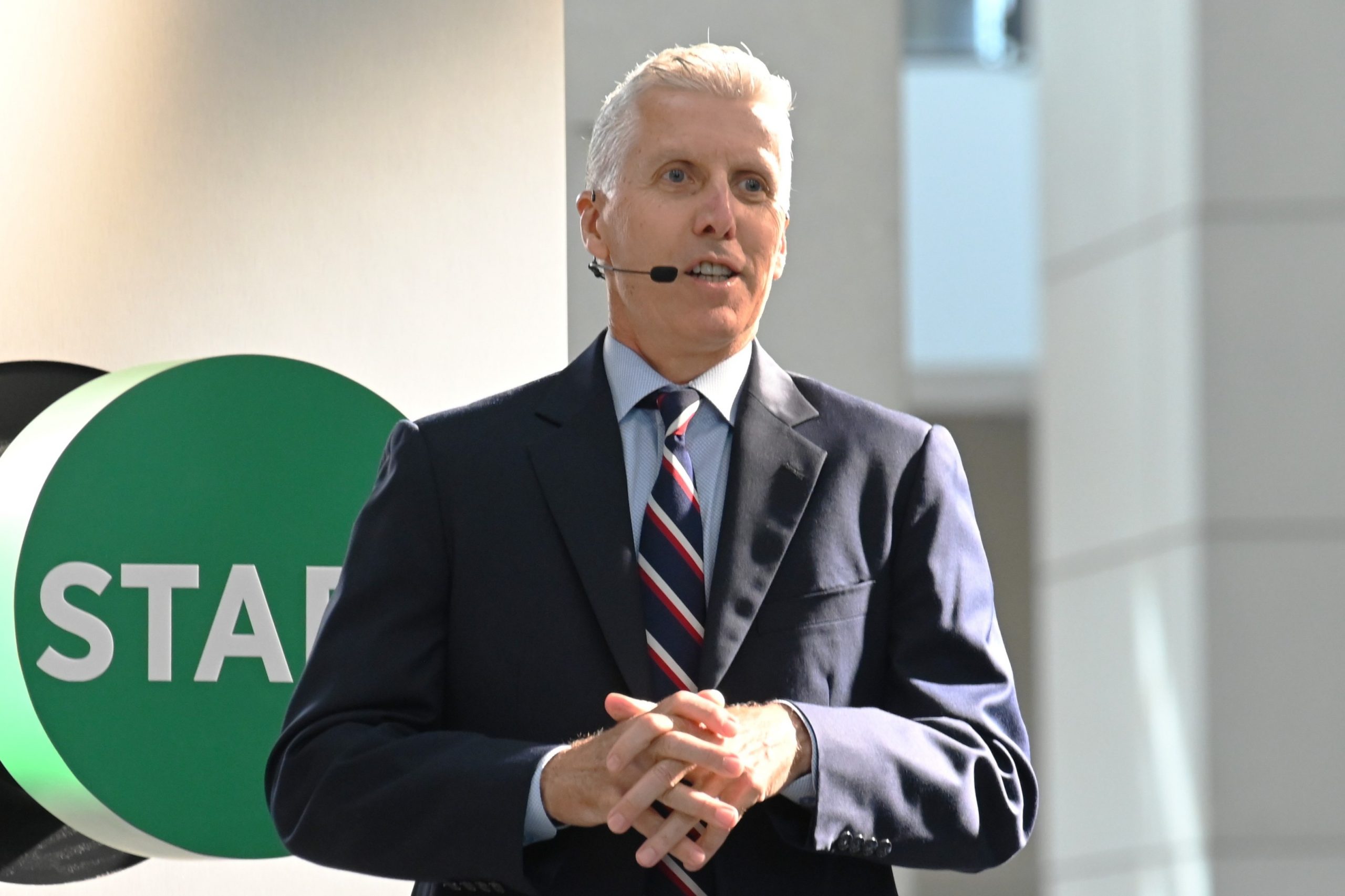 “Even for someone like me, who has been in manufacturing for nearly half a century, this is the most exciting time. The strength of the market is also reflected in figures such as machine tool orders. Rebuilding supply chains around ‘local production for local consumption’ in response to geopolitical risks is essential. As advanced automation using industrial robots and AI progresses, the shift toward distributed factories that combine flexibility and productivity is likely to accelerate rapidly. We also organized a ‘Student Summit’ this time, hoping to spark young people’s interest in manufacturing, even if only a little.”
Exhibitors had differing views on whether these trends should be described as “manufacturing reshoring.” There is no doubt that manufacturing is returning to the United States to some extent. However, the main drivers are aerospace, including defense, and advanced sectors such as semiconductors, AI, and data centers (DCs). Steel and automobiles, once the core industries, have yet to see strong capital investment.
An executive at a Japanese machine tool manufacturer described the situation this way: “‘Rebuilding’ or ‘transformation’ feels more accurate than ‘reshoring.’ New industries are emerging, and US manufacturing has moved on to its next phase.”
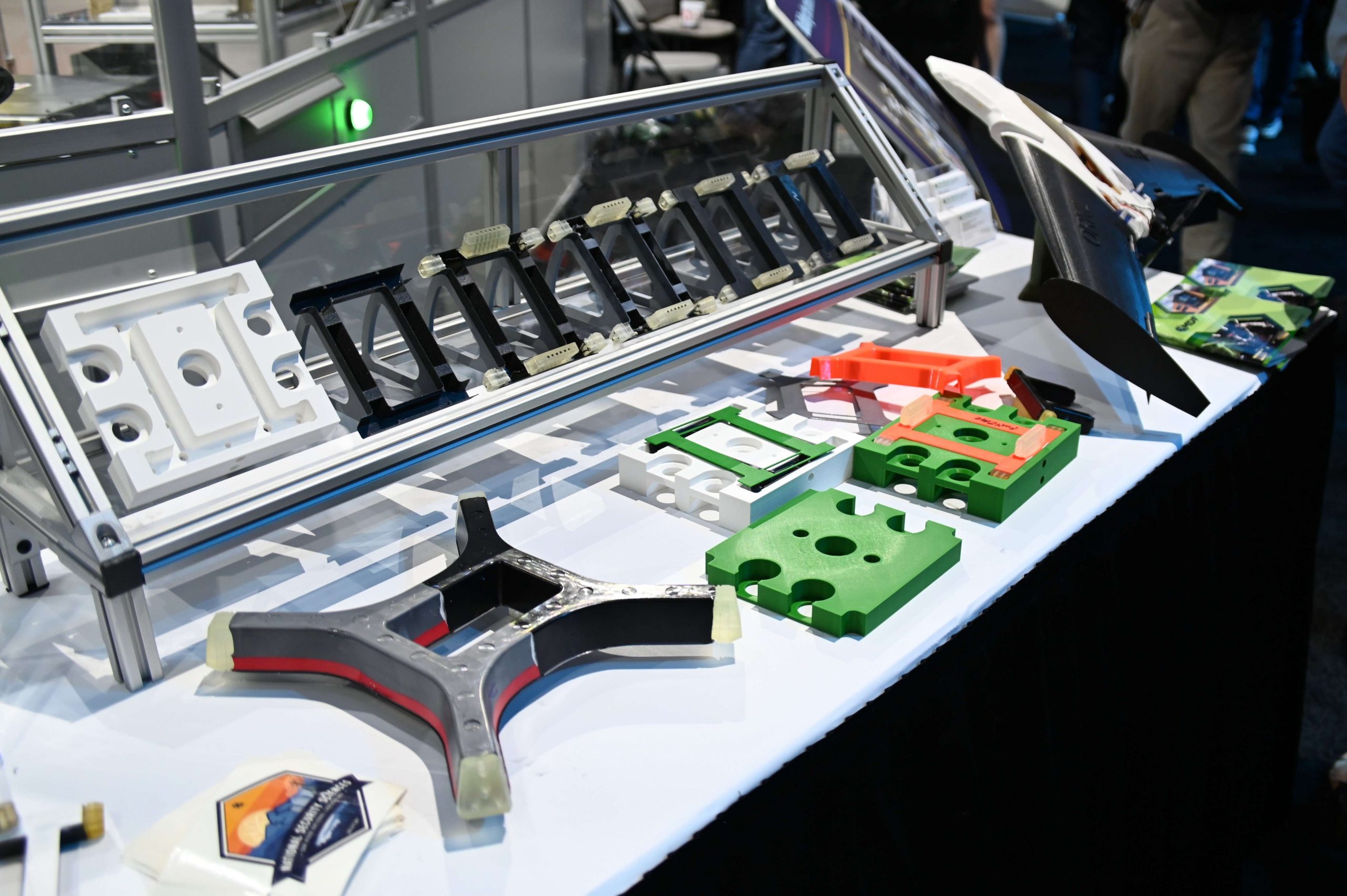
US manufacturers stood out at this year’s show. As supply chains are rebuilt domestically, interest in US-made machinery and cutting tools is growing.
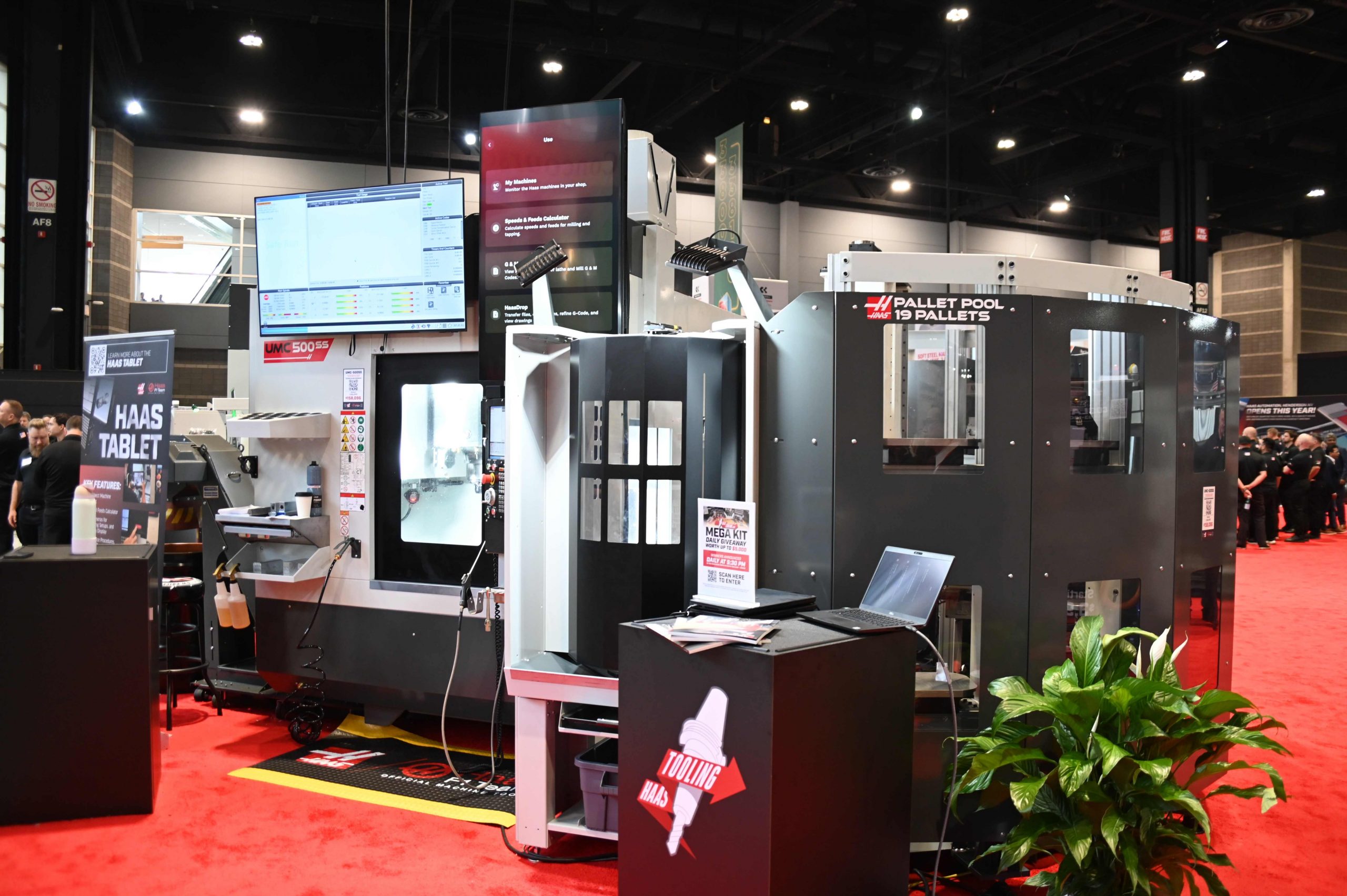
Major manufacturers had large booths along the front row of the South Hall, IMTS’s main exhibition hall. Among them, US machine tool giant Haas Automation exhibited more than 20 machines, many of which were integrated with industrial robots or automatic pallet changers (APCs). The 5-axis machining center (MC) “UMC-500SS” was equipped with a newly developed APC.
US-based Hurco Companies also focused on automation proposals. It exhibited machine tools combined with collaborative robots, working alongside ProCobots, a robot system integrator within its corporate group.
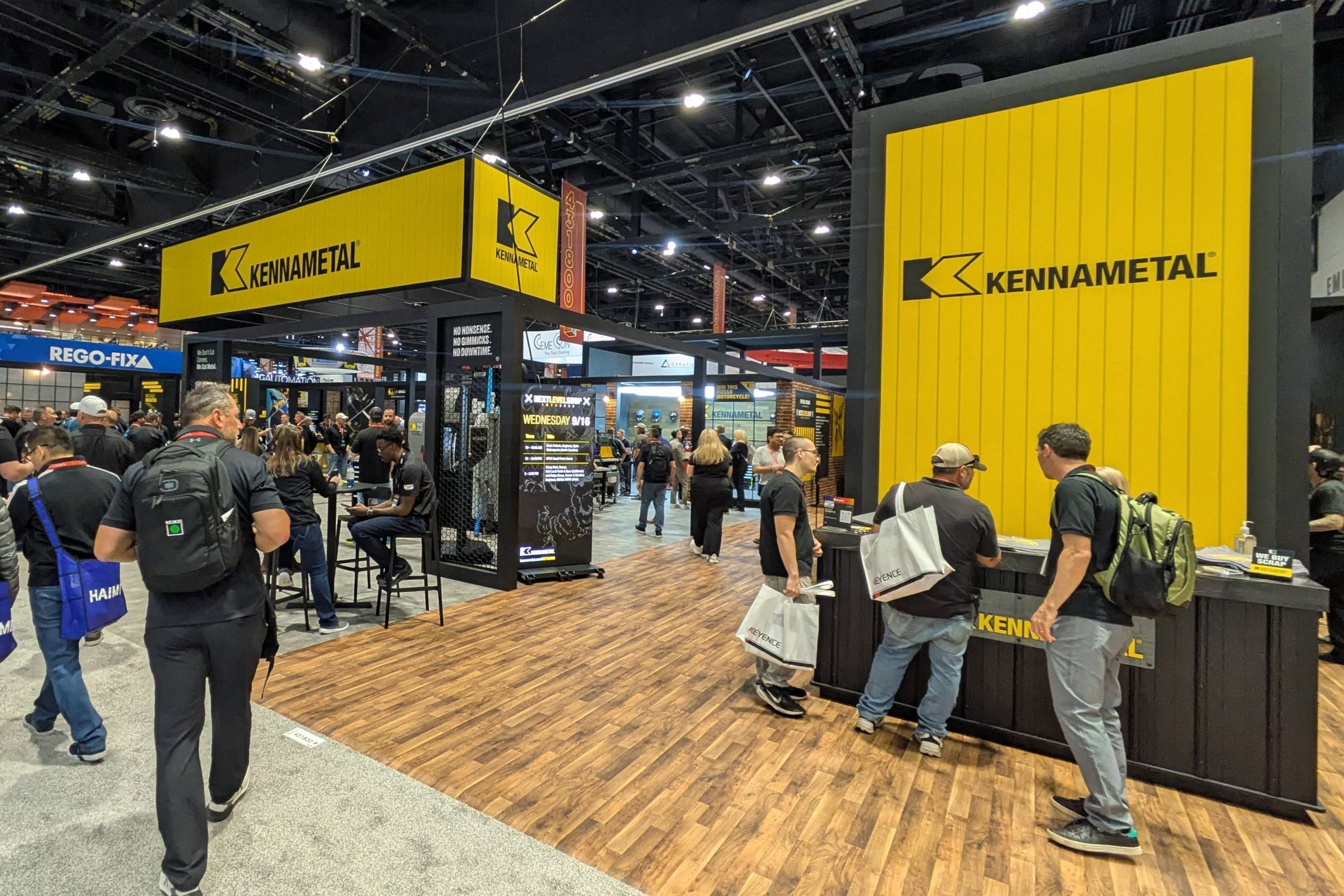
In the West Hall, dedicated to machine tool accessories and cutting tools, Kennametal had a large booth. During the show, the company machined motorcycle components on a 5-axis MC and assembled them into a complete motorcycle, drawing considerable interest from visitors. It also introduced products for a wide range of applications, from roughing to precision machining of large workpieces.
European companies also staged distinctive exhibits. German robot manufacturer KUKA demonstrated the deburring of a large casting weighing around 400 kg, modeled on a railway vehicle frame. An industrial robot pressed the workpiece against a grinding tool, machining it with sparks flying.
Japanese manufacturers also made a strong showing. Four companies had booths along the front row of the South Hall.
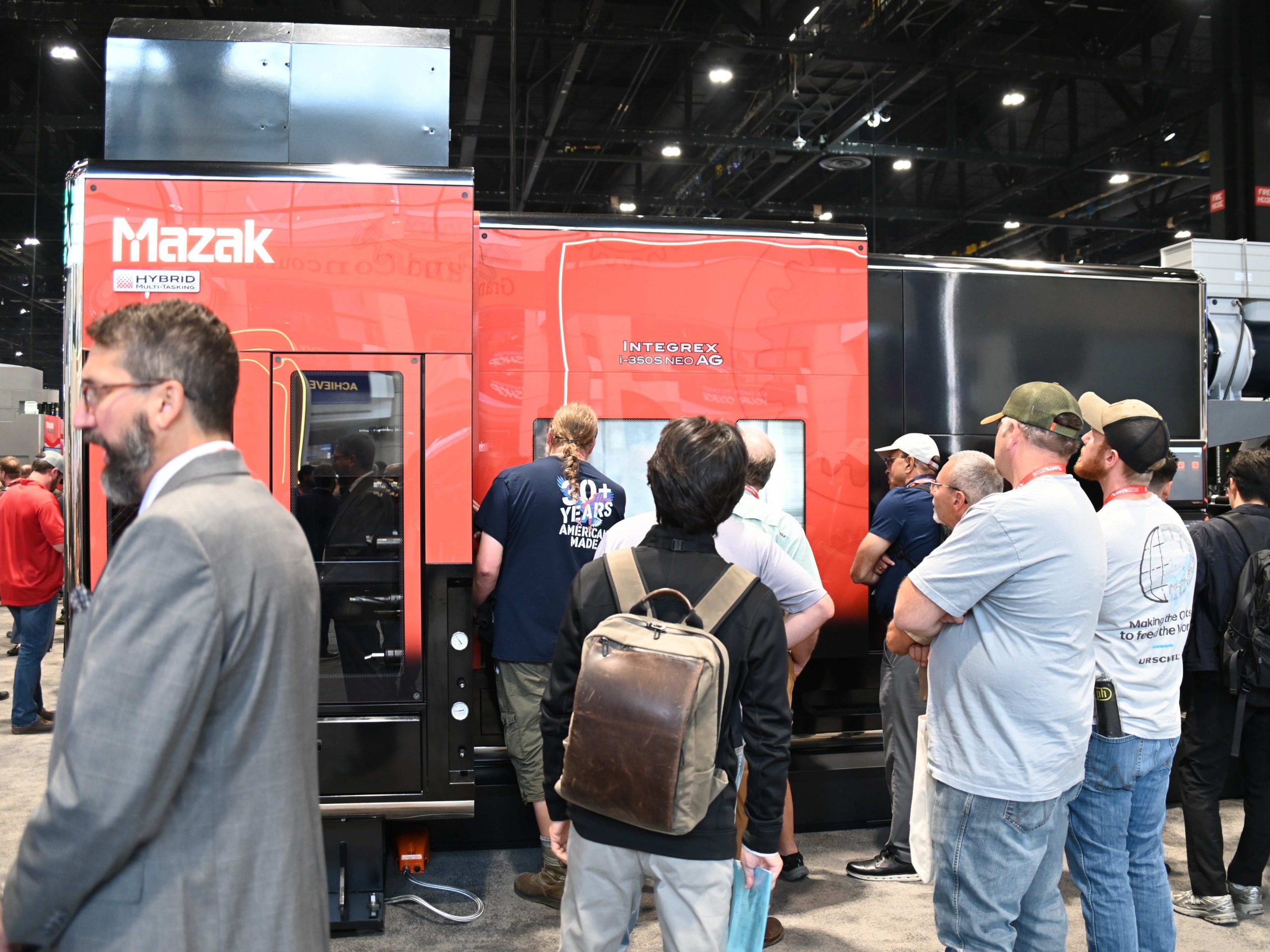
Yamazaki Mazak exhibited 16 machines. One that drew attention was the multitasking machine “INTEGREX i-350S NEO AG,” which can perform a wide range of operations, including gear hobbing and gear skiving. Naoya Tanaka, Managing Executive Officer, said: “More gears will be machined directly onto shafts. Process consolidation not only reduces labor requirements but also improves quality by minimizing misalignment.”
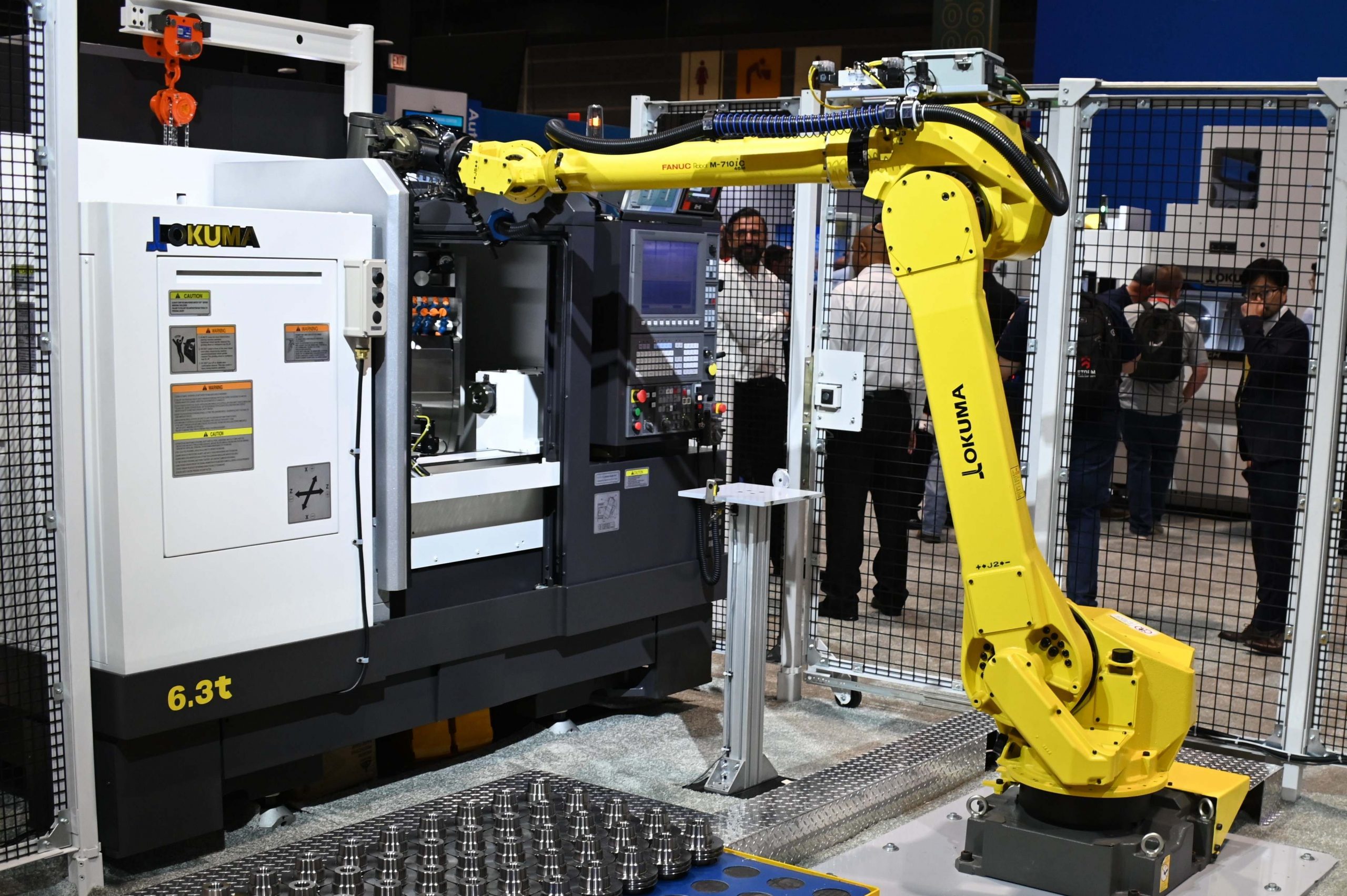
Okuma exhibited numerous automation systems combining machine tools with industrial robots, most of which had been built by its US distributors. Dr. Harumitsu Senda, Director and Managing Executive Officer, said: “When technically capable distributors develop these systems, they can tailor them to users’ needs. We have a high level of trust in our distributors.”
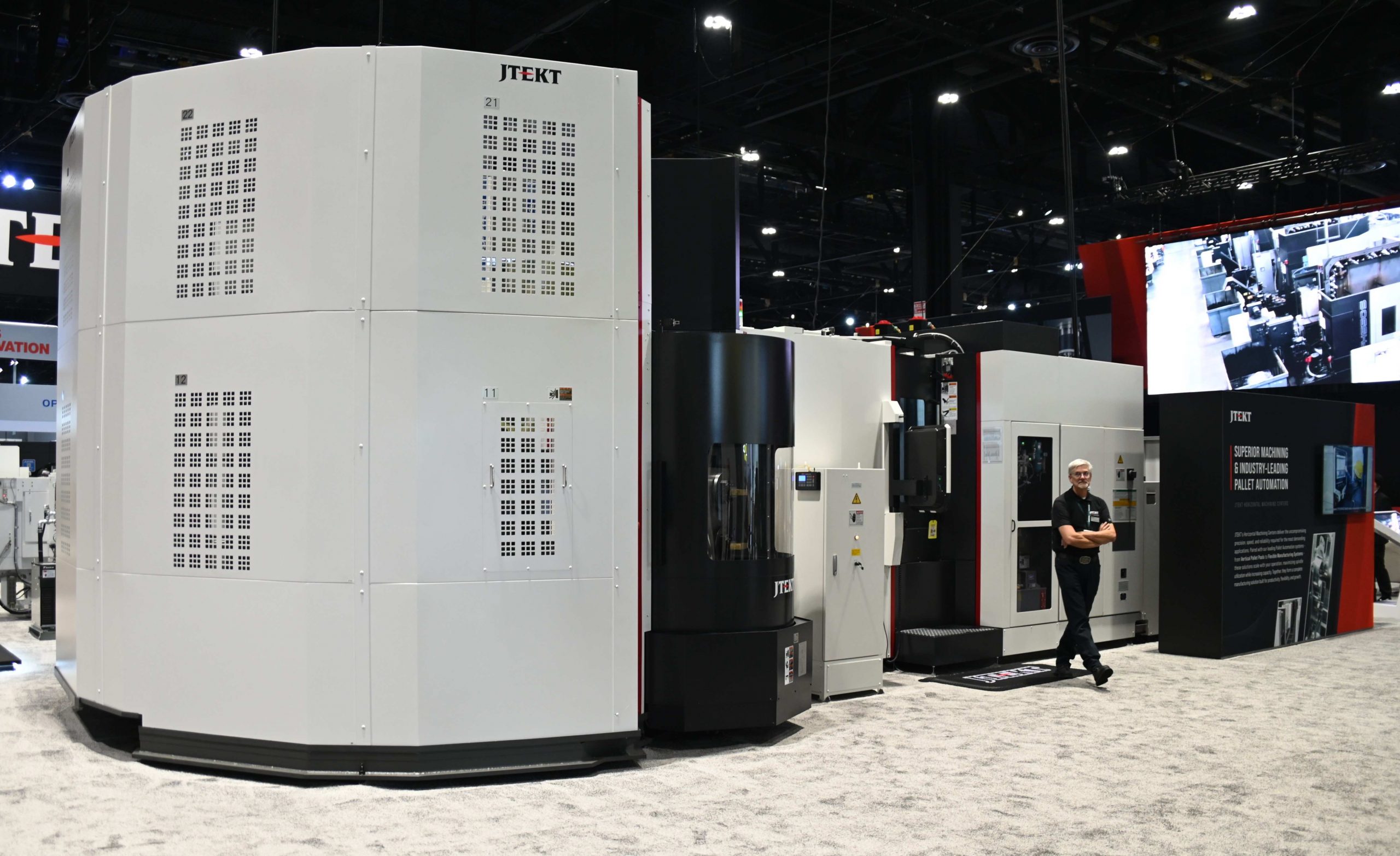
JTEKT exhibited its horizontal MC “FH630SX-i” combined with a large two-tier APC. A representative said enthusiastically: “We want to highlight our machines’ capabilities for large-workpiece machining in shale gas and data center applications.”
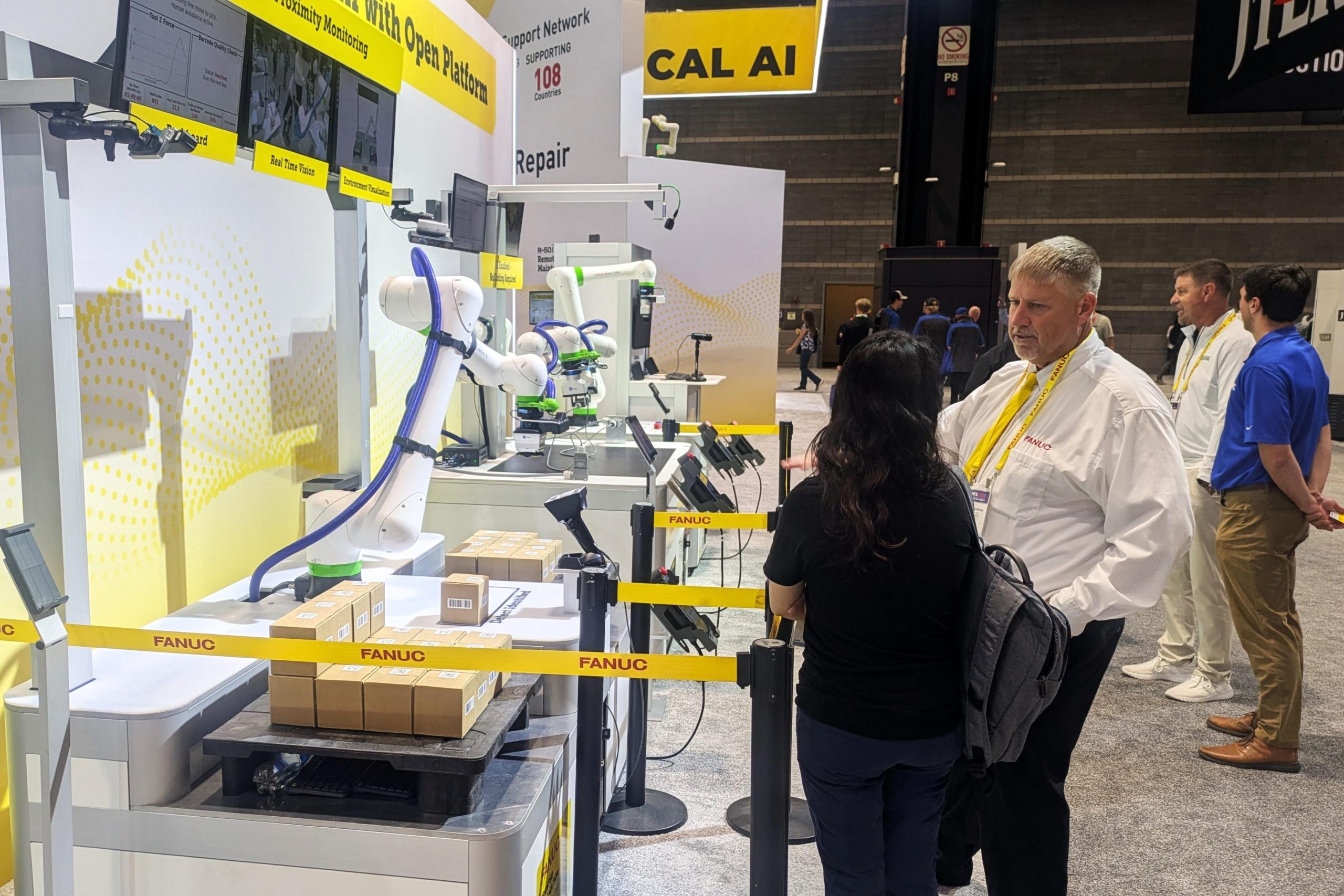
FANUC, whose booth was moved to the front row, showcased a range of solutions with physical AI at the forefront. A representative said: “I was surprised to see the physical AI boom renew interest even in capabilities we had already been able to offer. These technologies contribute to advanced automation.”
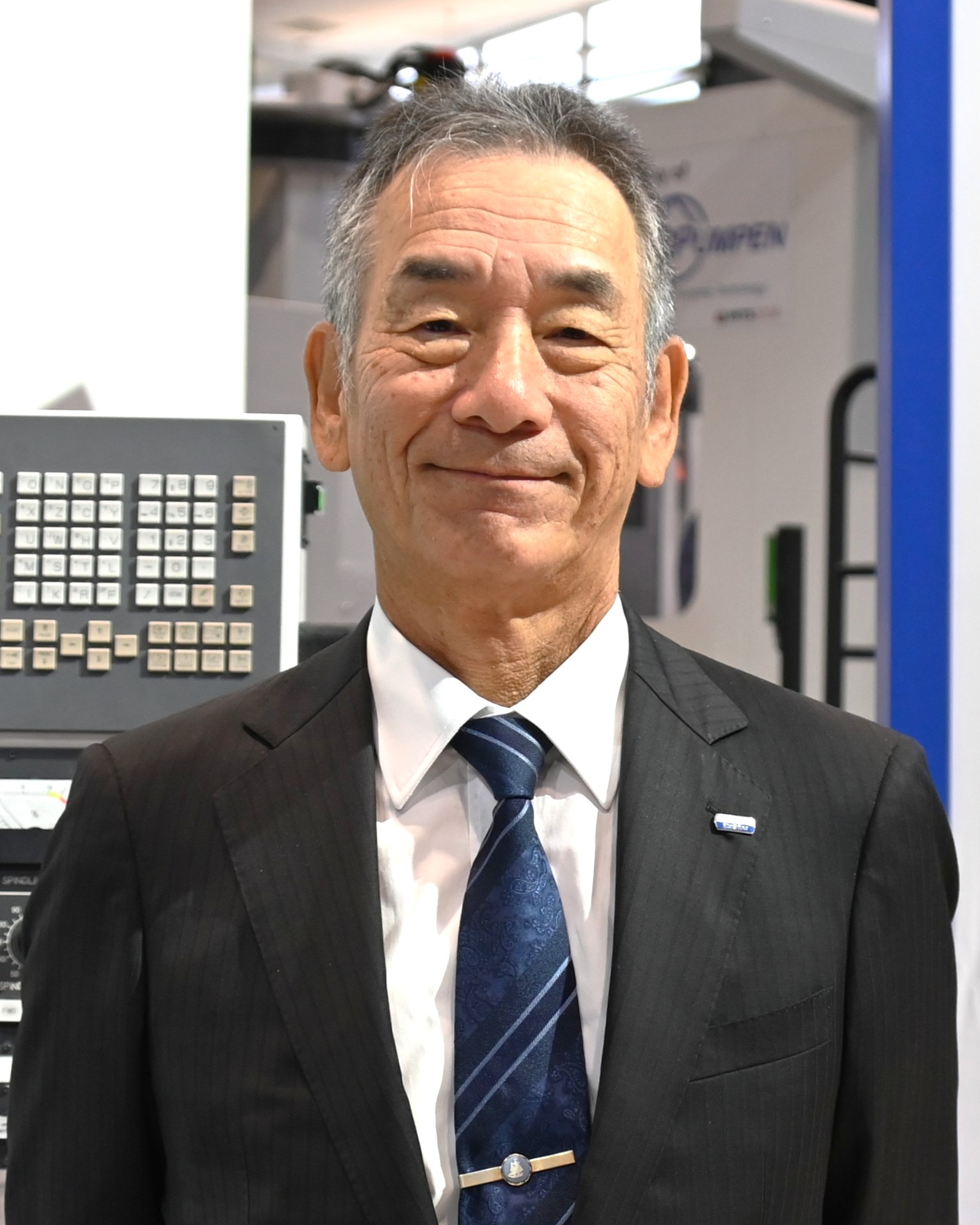
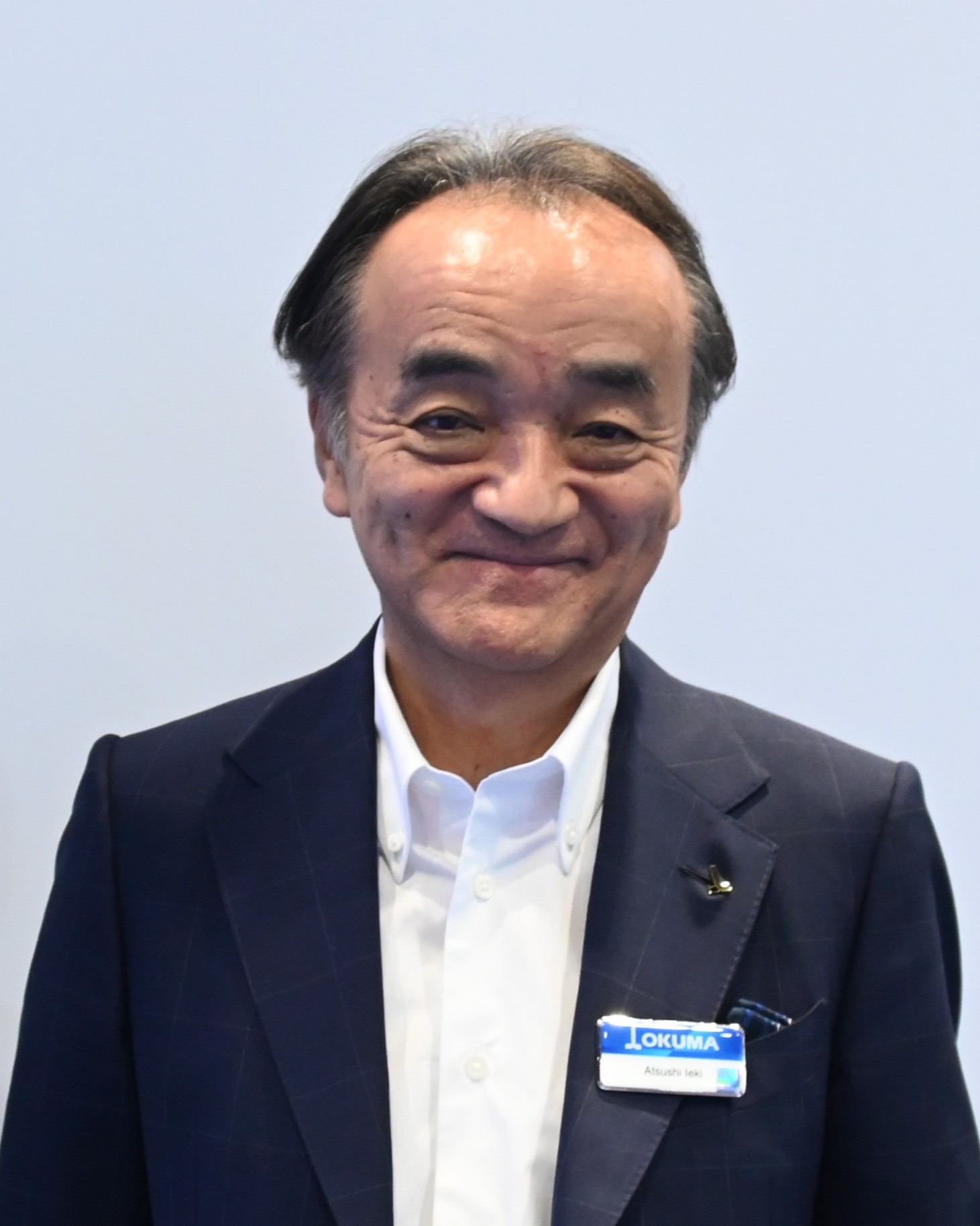 “I see a solid outlook for the next few years, driven mainly by the aerospace and AI-related sectors. I also get the impression that more factories are being designed with automation in mind from the outset. By strengthening our distributor network, we aim to meet users’ expectations through automation proposals and after-sales service.”
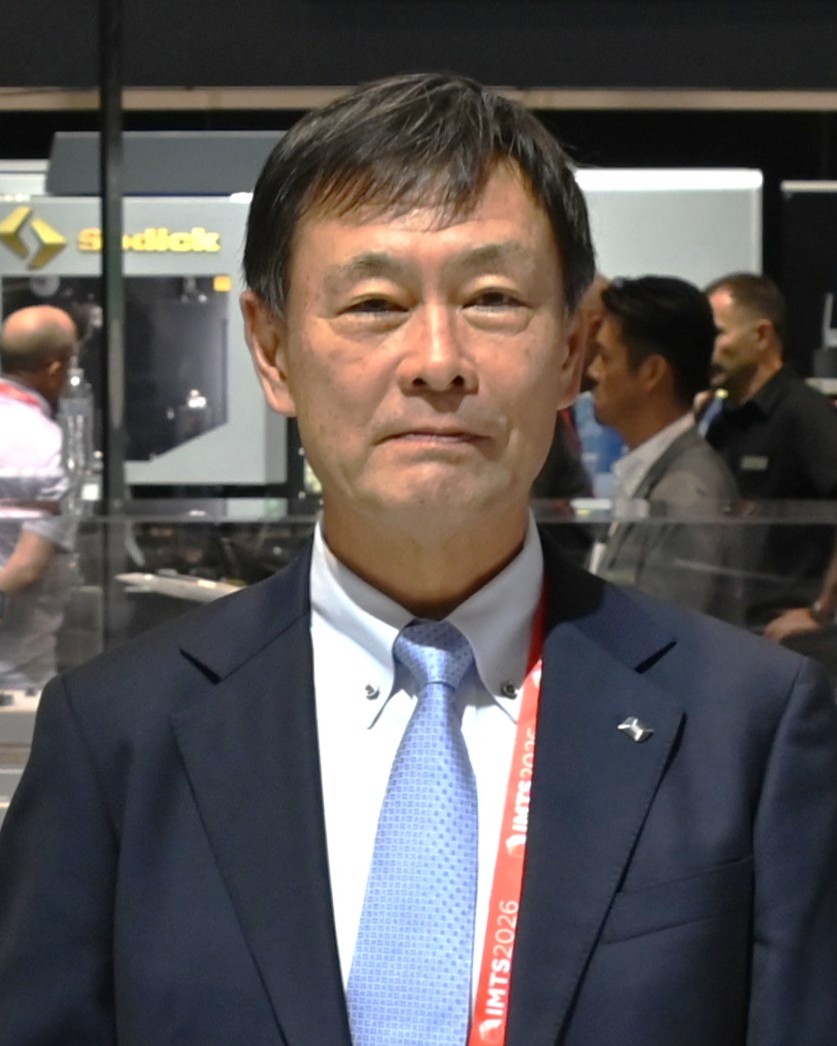
 “We are receiving many inquiries about large machines for energy-related and aerospace applications. For ultra-precision machines, demand is strong for electronic components such as data center-related connectors and optics-related applications. In the automotive sector, I sensed that activity is beginning to pick up, particularly in Canada.”
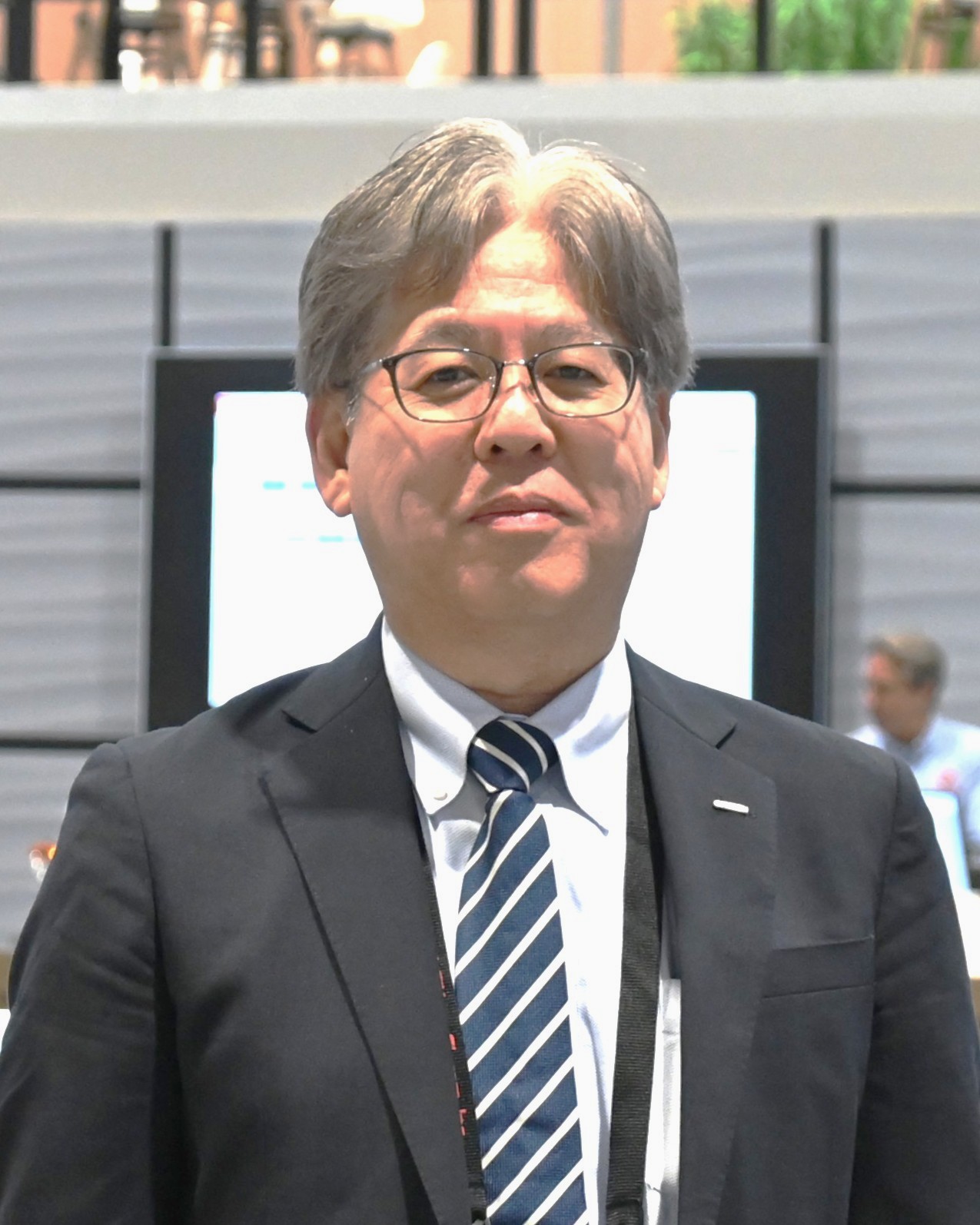
 “Despite raising our product prices amid high interest rates, customers’ willingness to invest has not weakened. Many customers have more work than they can handle and can see a path toward recovering their capital investment. That was the impression I got.”
 “Demand for medical device applications remains strong, and we are also seeing inquiries about piping components for the oil and gas industry. Demand for hydraulic equipment used in construction machinery for data center projects is also increasing. We did not anticipate this level of demand and have been surprised by the breadth of demand associated with data centers.”
Many Japanese manufacturers exhibited medium- and large-sized machines to appeal to strong demand from the aerospace sector and data center-related infrastructure projects.
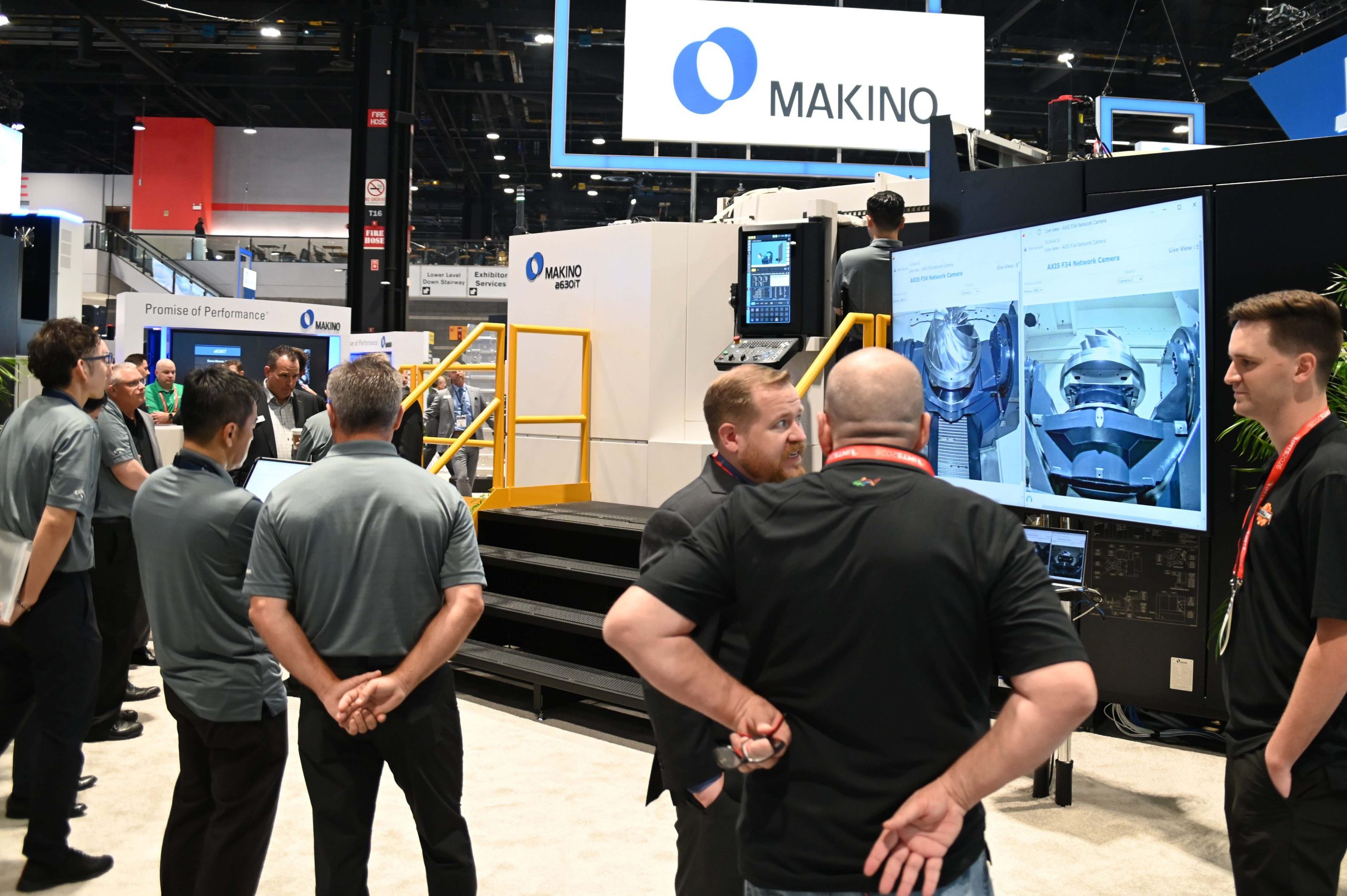
Makino exhibited its horizontal 5-axis MC “a630iT” at a US trade show for the first time. Sample workpieces modeled on aircraft engine blades and satellite bases, displayed at its booth, drew attention.
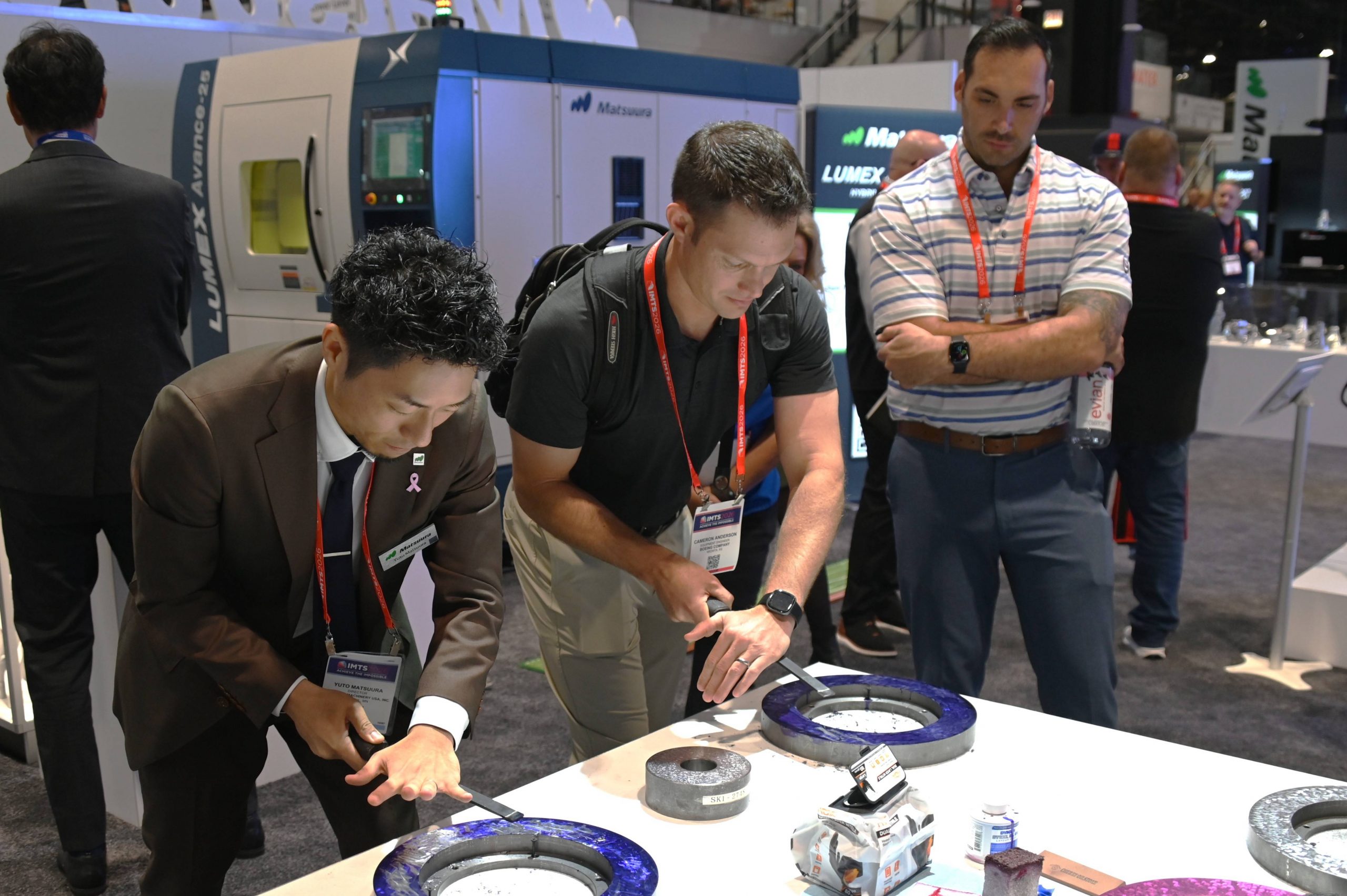
Matsuura exhibited its 5-axis multitasking machine with turning capability, “MX-520T.” It also set up a hand-scraping demonstration area, highlighting a process central to the quality of its machines. Director Yuto Matsuura himself conducted the demonstrations.
Seibu Electric & Machinery promoted its wire EDM machine “M75HP” for large gears and aircraft engine components. Its strengths include not only high machining accuracy and excellent surface finish but also a low failure rate during automatic wire threading. Several “SOLD” signs were posted at the booth.
Okamoto Machine Tool Works exhibited its latest compact surface grinder, the “ACC-818SA-iQ.” Equipped with its proprietary interactive iQ software, the machine is easy to operate. A representative said: “General-purpose grinders are also popular in North America, but we want to highlight our superior control capabilities.”
A senior executive at a Japanese manufacturer said earnestly: “Looking ahead, we are turning our attention to the steel and automotive sectors.” In fact, according to the US Census Bureau, plant capacity utilization in the automotive industry reached an exceptionally high 90.4% in the second quarter. The steel industry is also showing an upward trend. Many believe that these high utilization rates reflect demand returning after capacity was reduced through production line consolidation and other measures. If this trend continues, further capital investment will be essential.
North America may soon be booming across almost every sector, both established and emerging. That was the sense of energy at this year’s show.
Share On :


